Name of campaign: “Awareness of the Right… Not a Luxury”
Time period: 3–31 May 2026
Platforms: Facebook, Instagram and X
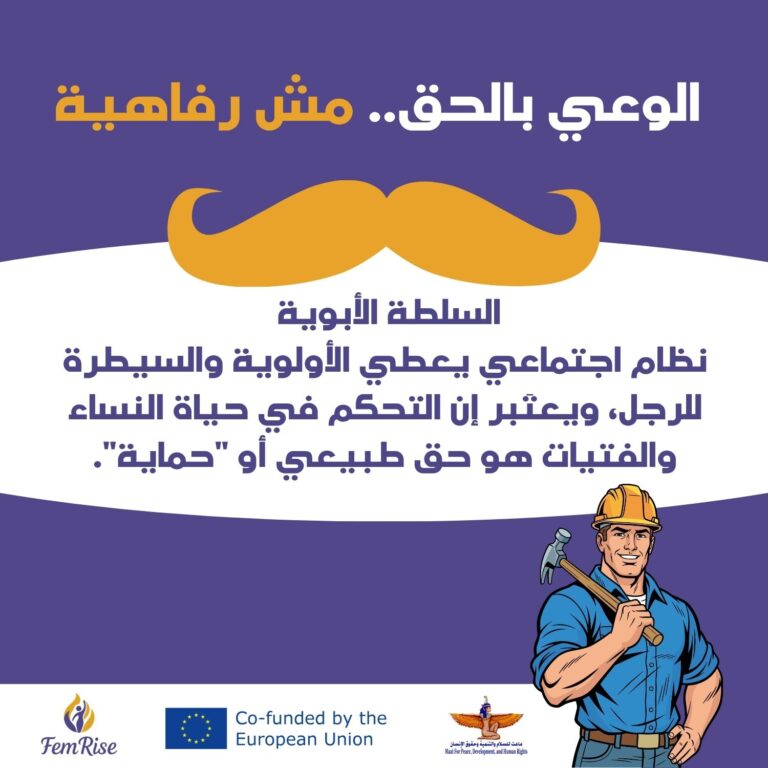
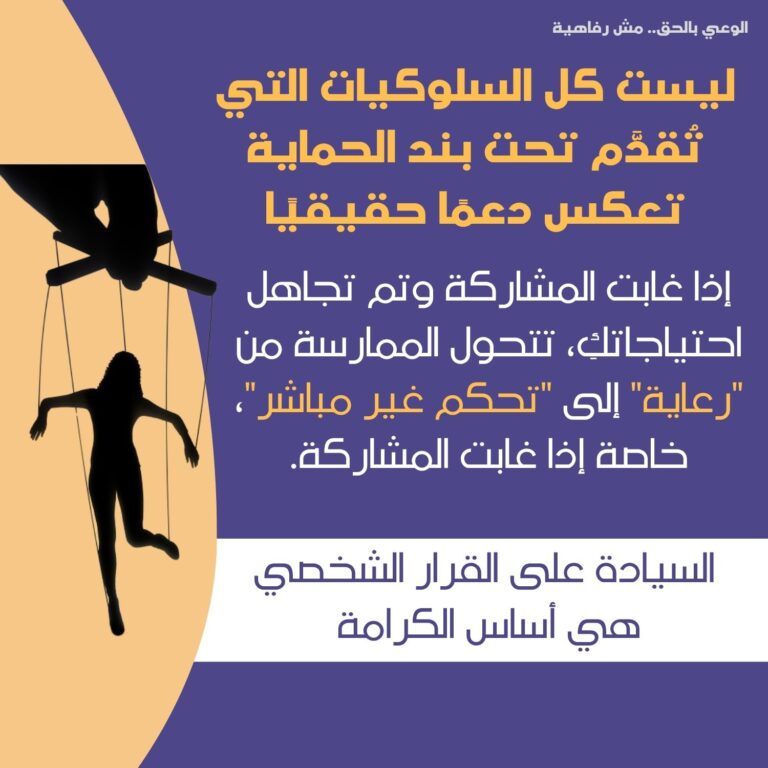
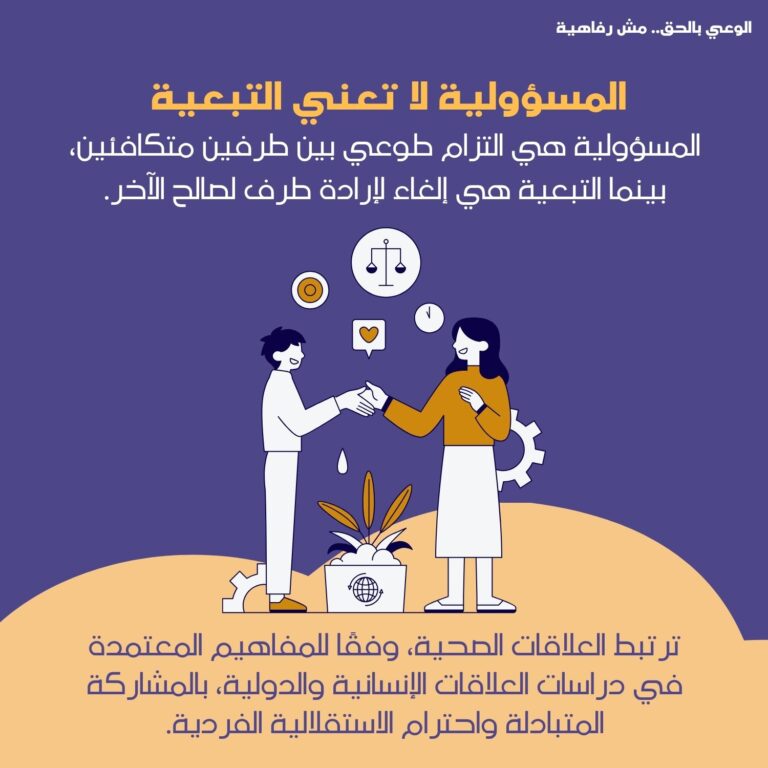
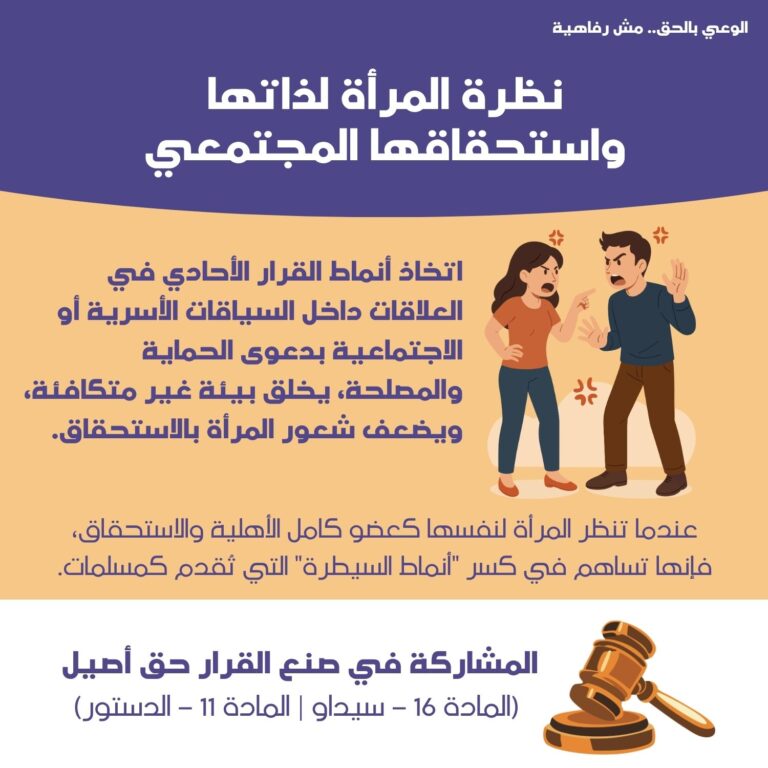
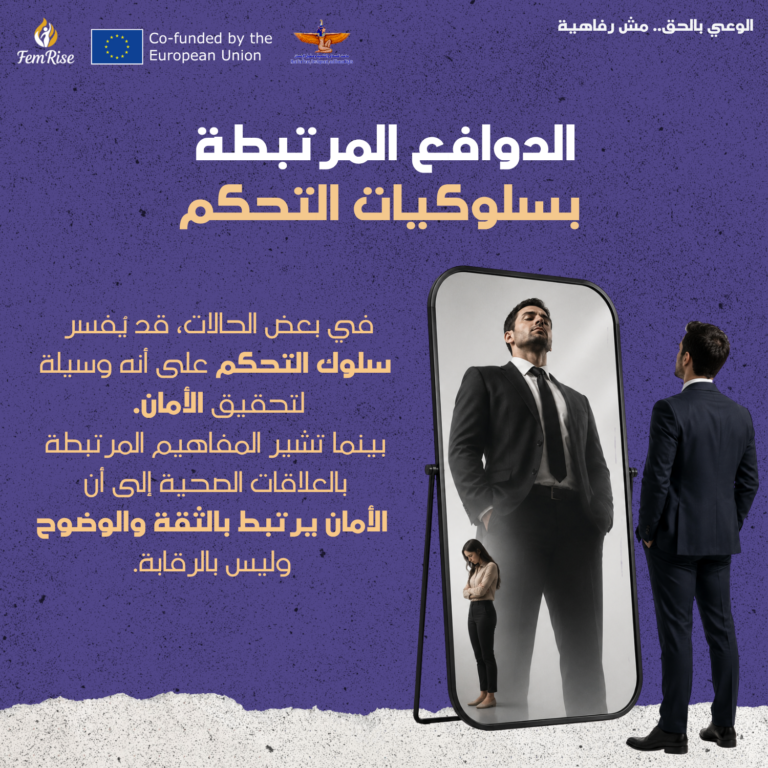
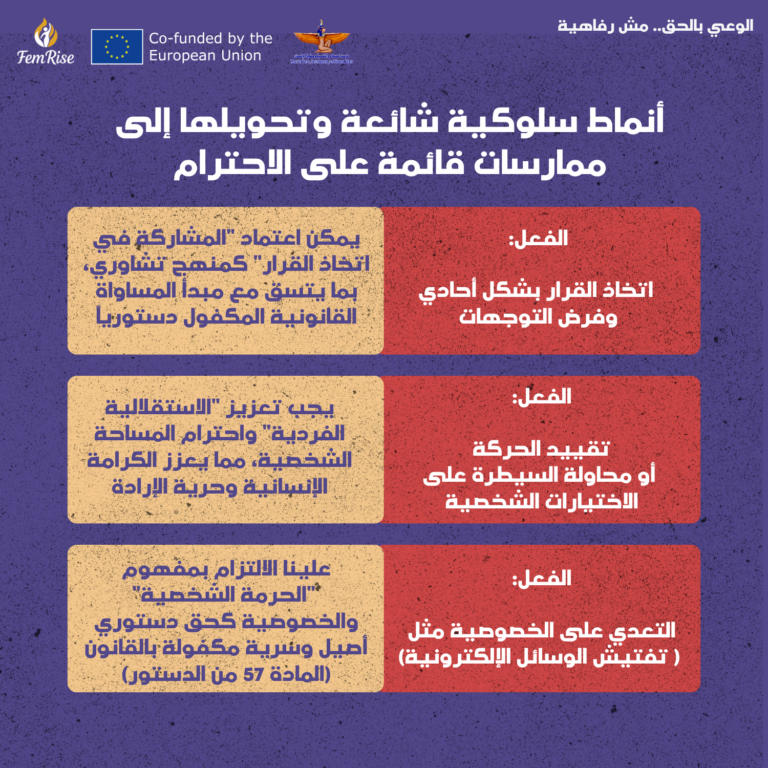
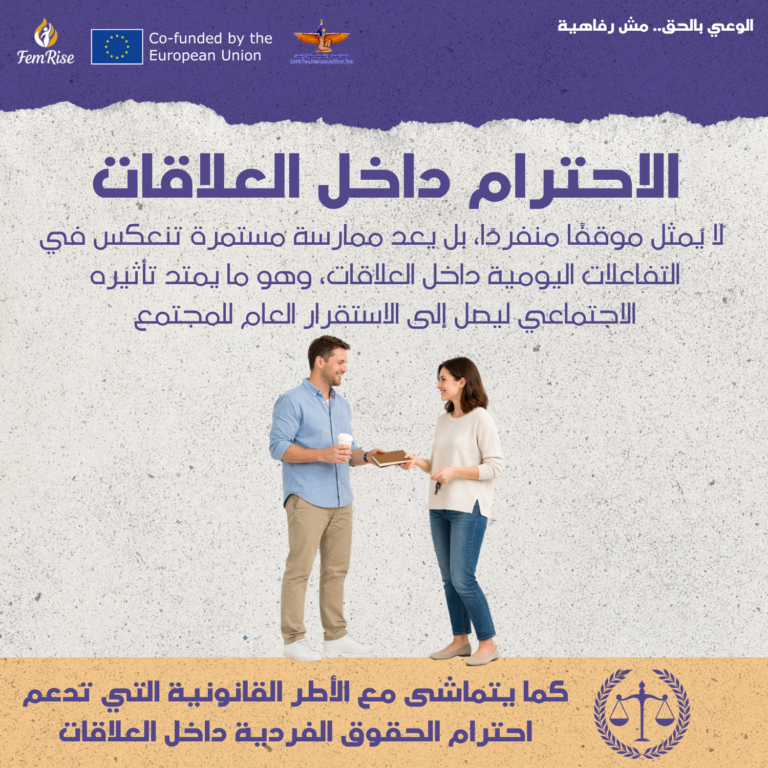
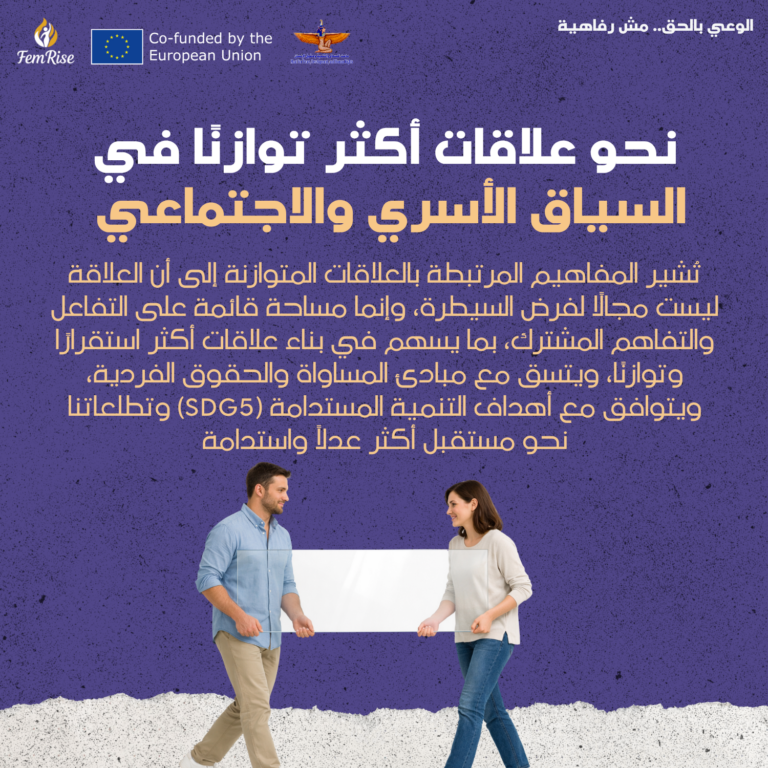
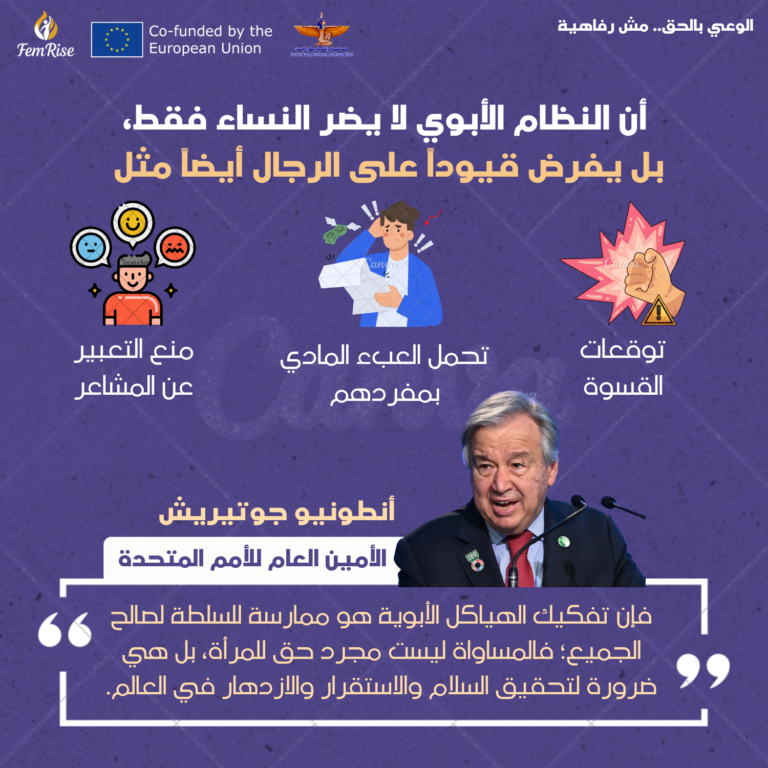
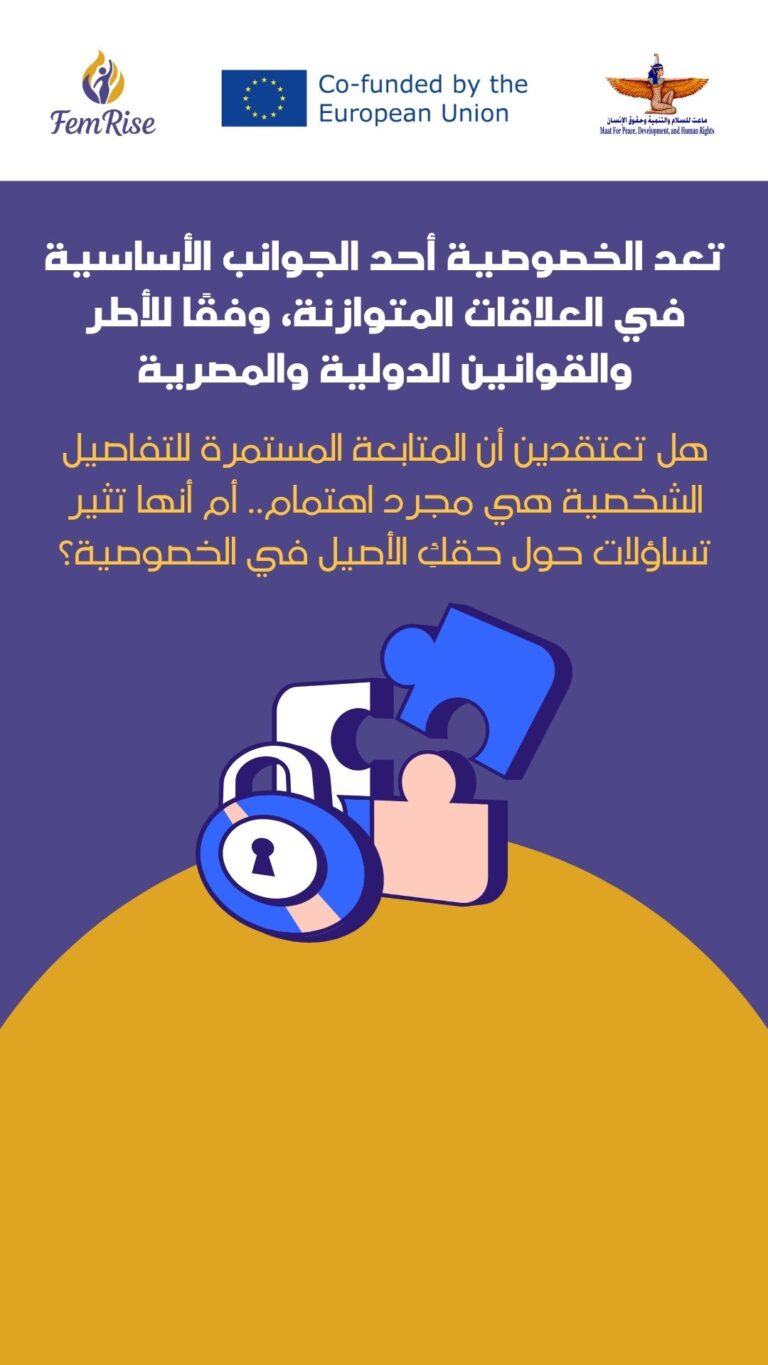
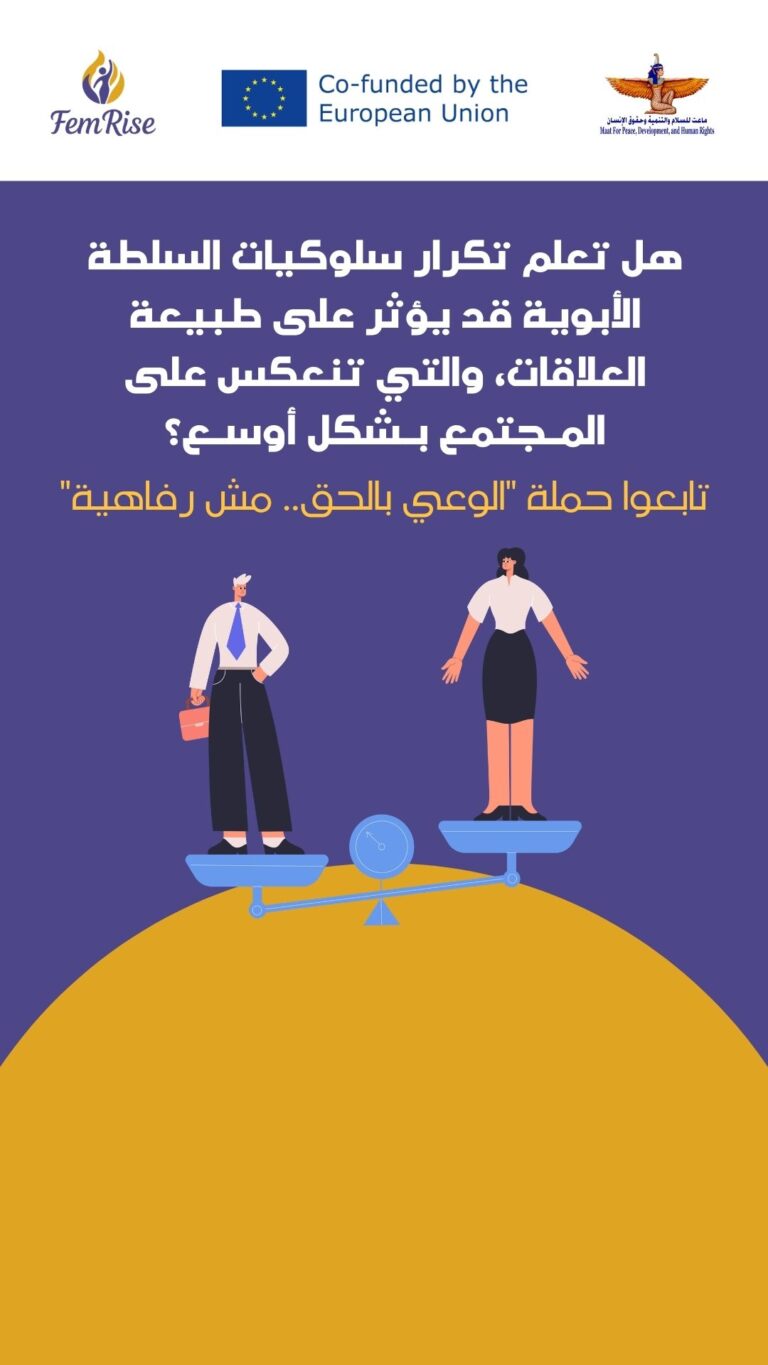
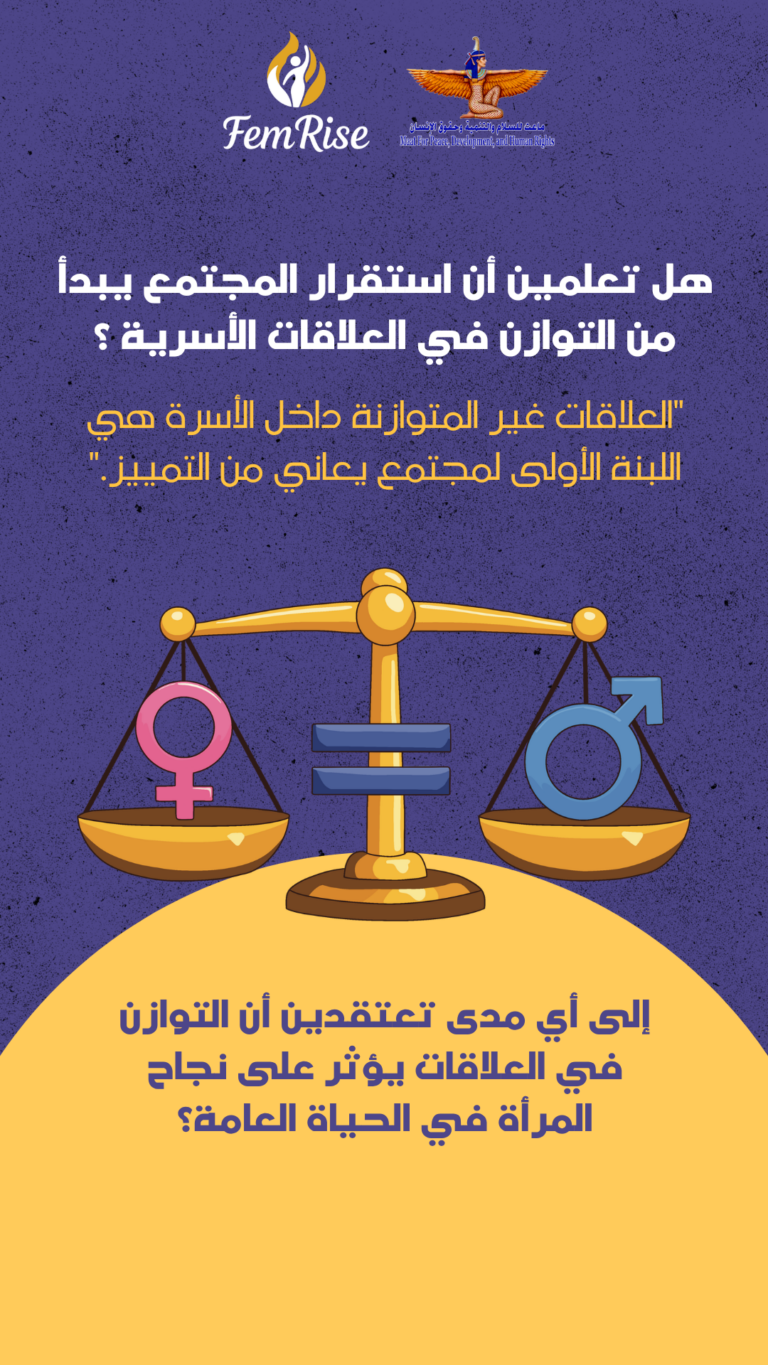
Description: The campaign addressed the normalisation of controlling behaviour in relationships through patriarchal norms. In Egyptian society, men are often positioned as authority figures and decision-makers, while women may be expected to comply with family expectations and prioritise harmony. Everyday behaviours such as monitoring, jealousy, and dictating personal choices can therefore be framed as care or love, reinforcing unequal power dynamics and limiting women’s autonomy. The campaign sought to challenge these narratives and promote gender equality, respect, personal agency, and emotional awareness among younger audiences. Its key messages focused on equality as a choice rather than a privilege, challenging traditions that limit freedom, and recognising that individual voices and actions can contribute to a more equal society.
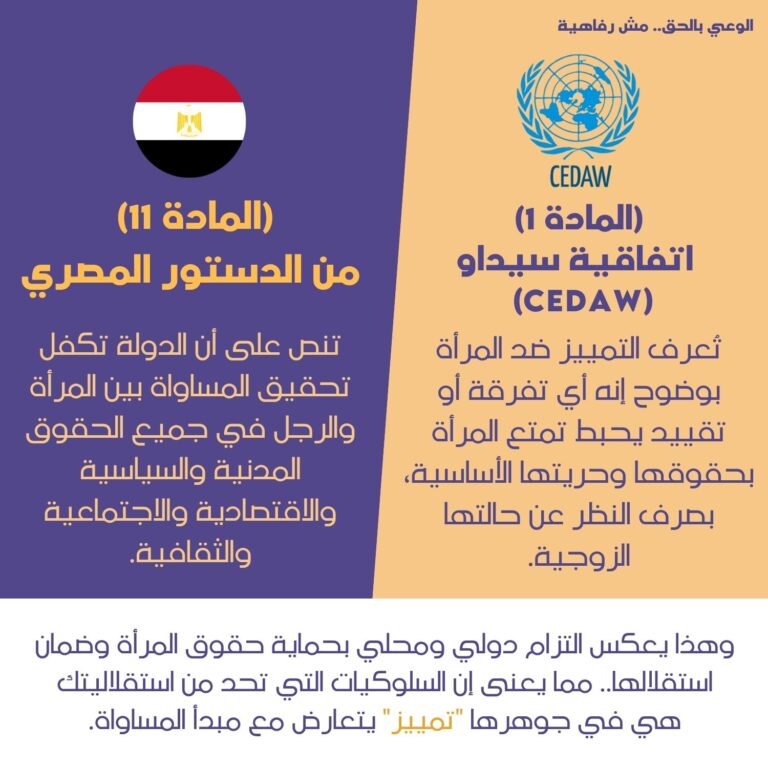
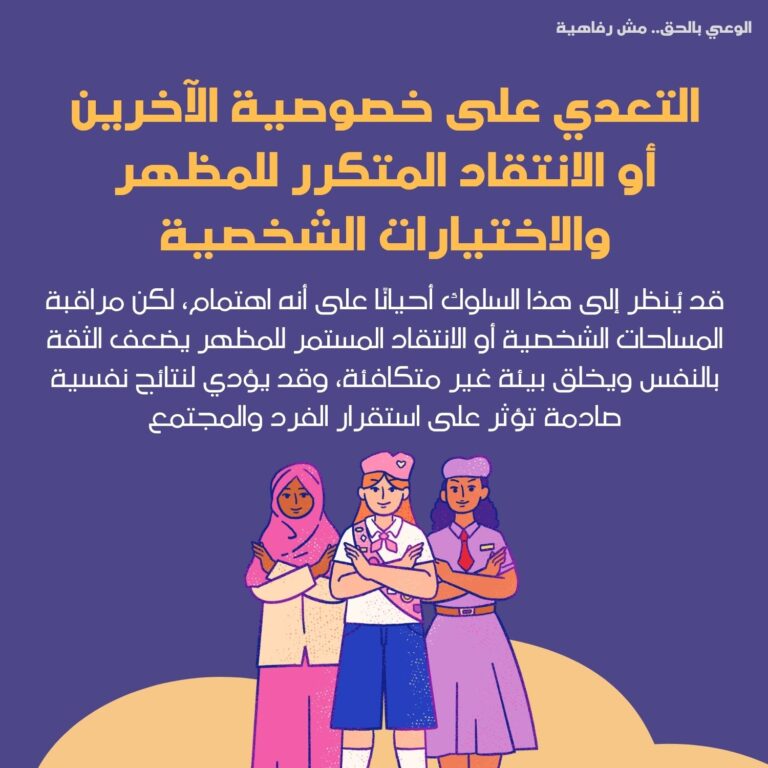
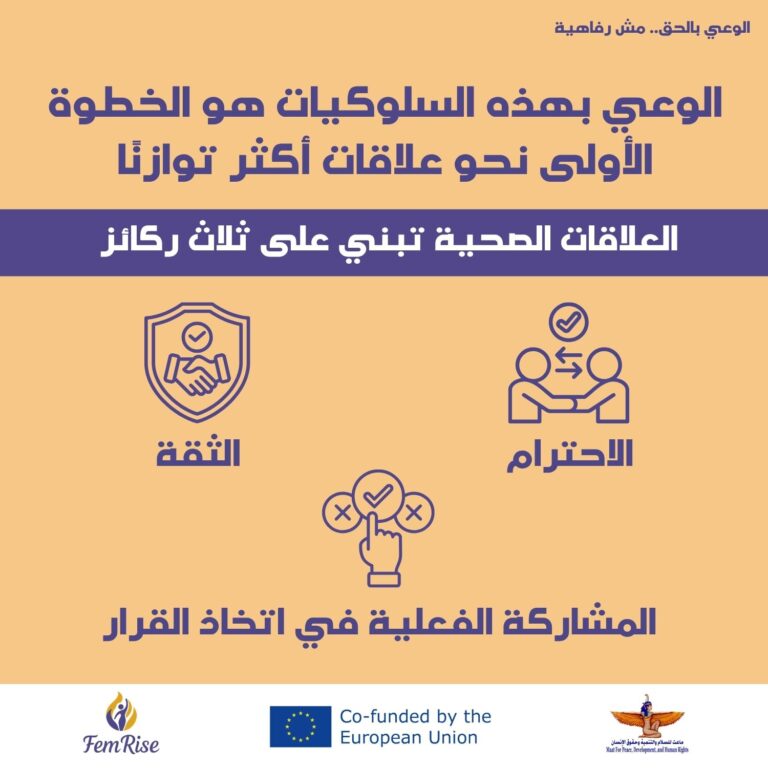
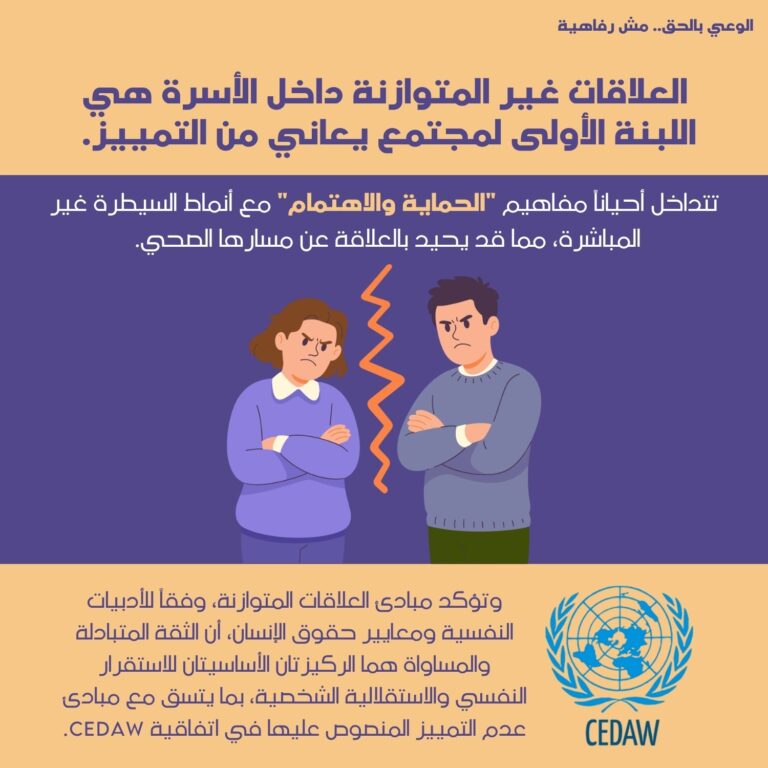
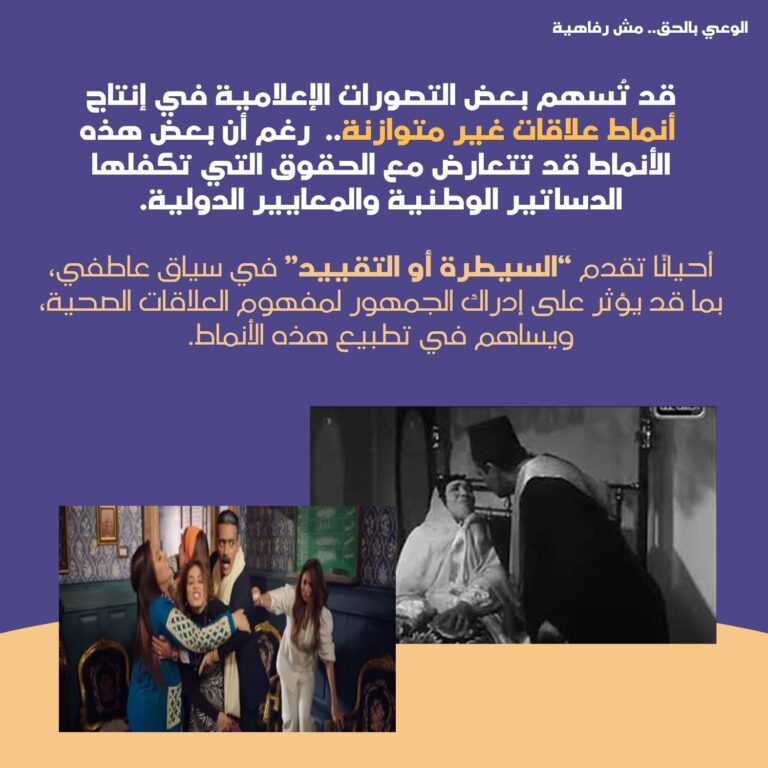
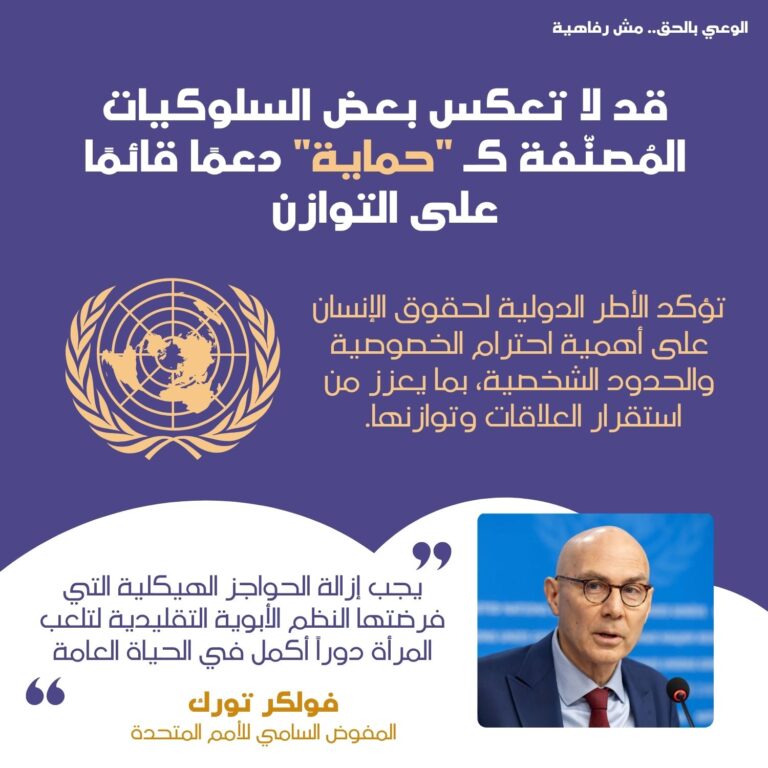
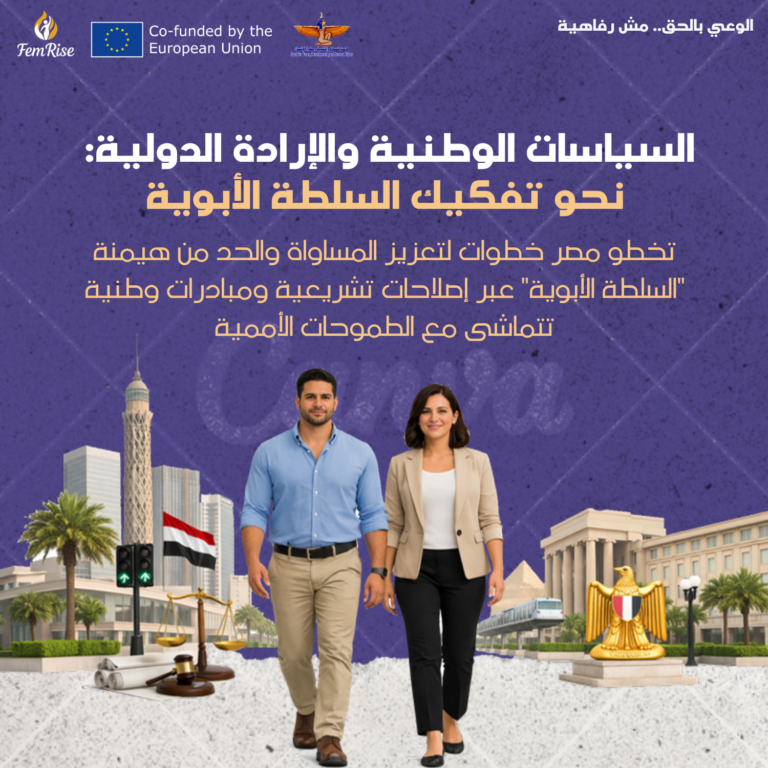
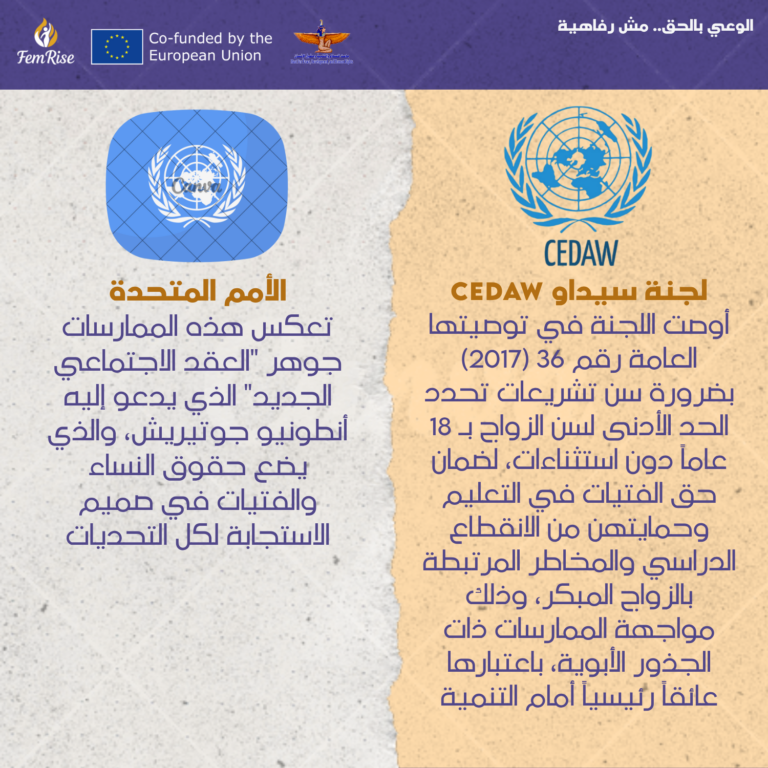
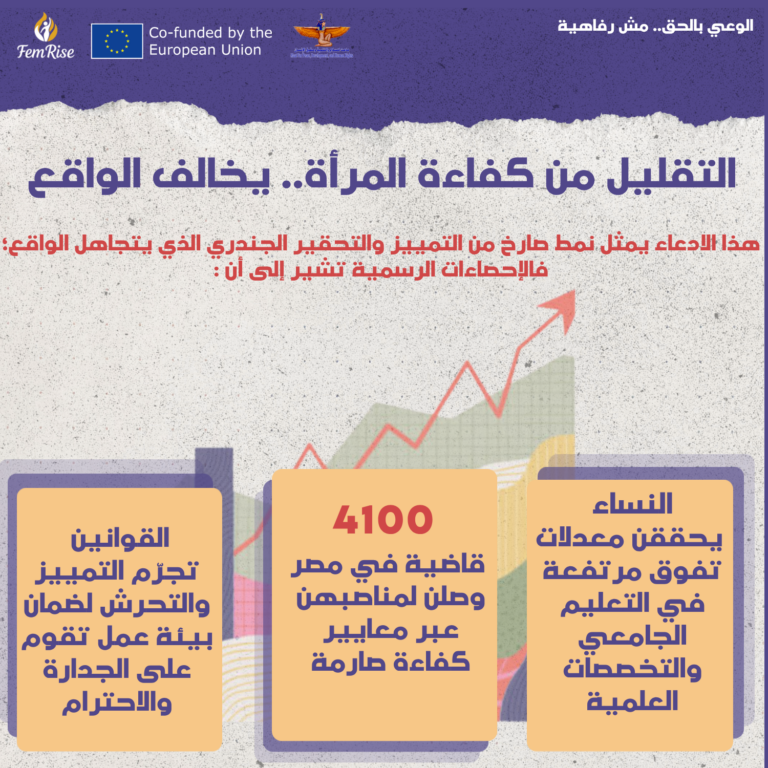
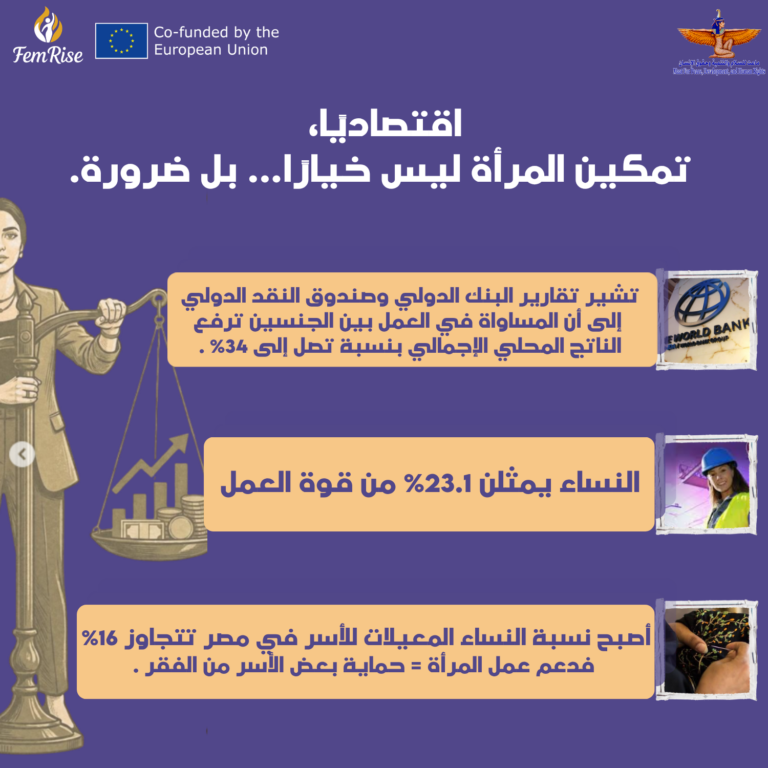
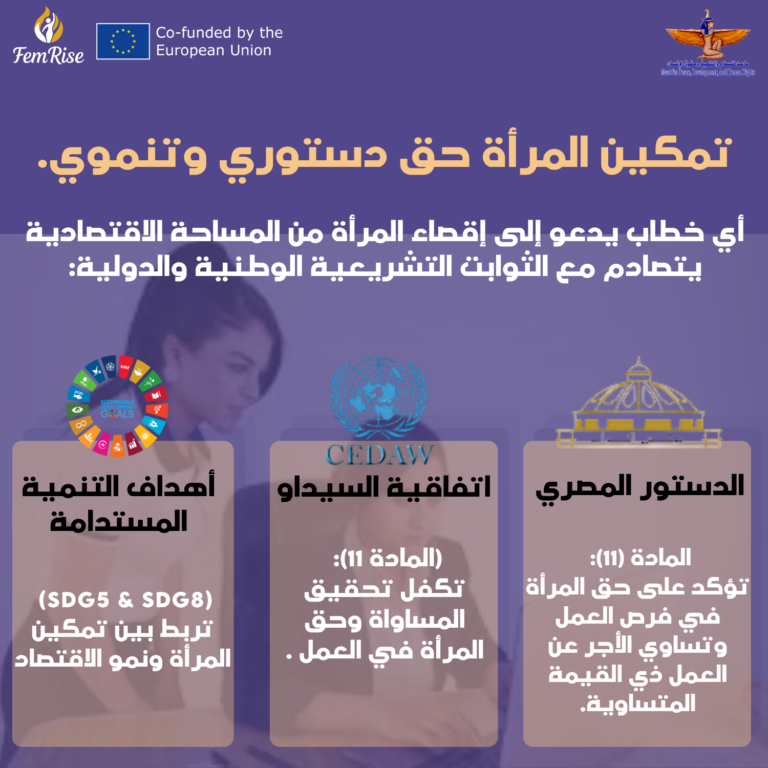
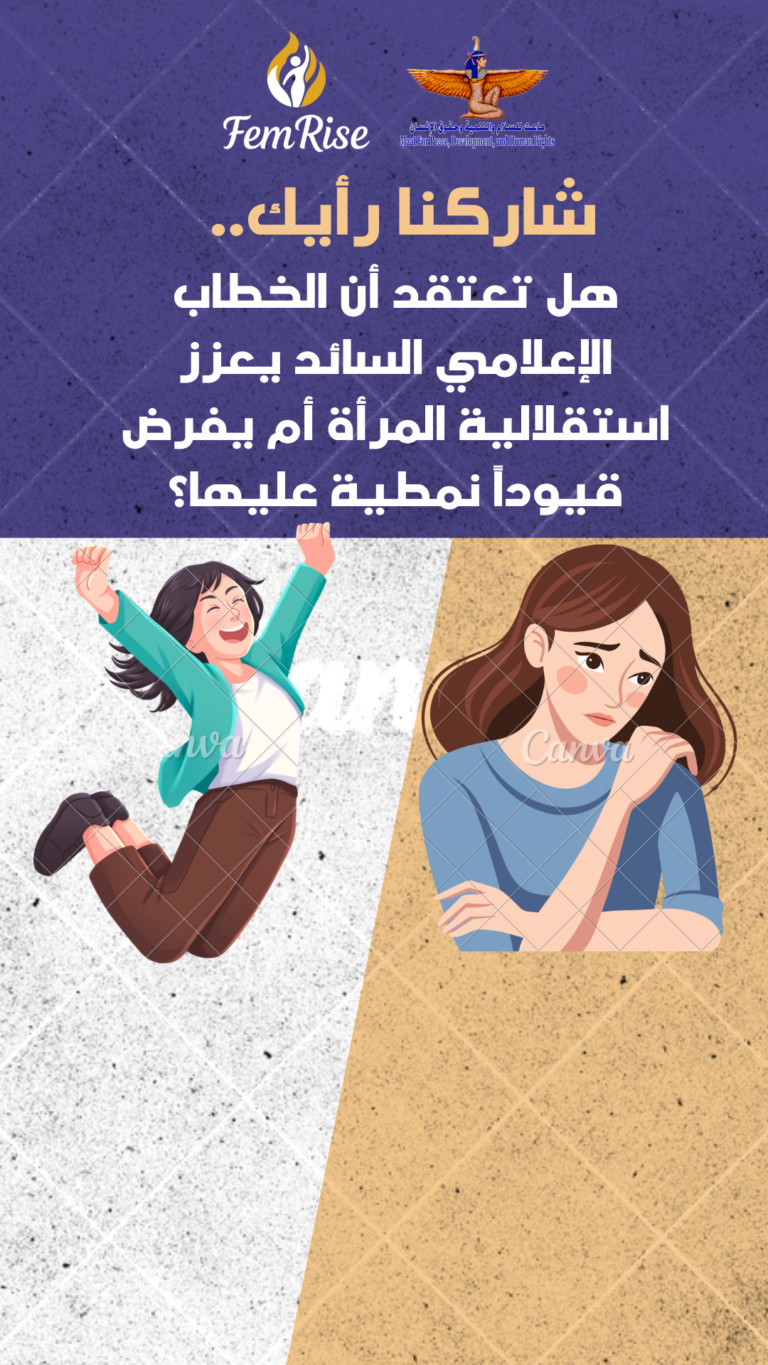
Results: The campaign achieved a total reach of 193,815 on Facebook, 154,374 on Instagram, and 1,116 on X. Qualitatively, the campaign encouraged women to recognise everyday behaviours that may be presented as care, protection, or spontaneity but can instead reflect restrictive forms of patriarchal control. It highlighted behaviours such as criticism of appearance and choices and monitoring of personal spaces as forms of indirect control, while promoting mutual respect, trust, and participation in decision-making as foundations of healthy relationships. The campaign also sought to strengthen women’s confidence in their right to make independent decisions and to understand themselves as full rights-holders. It raised awareness of relevant legal protections under the Egyptian Constitution and international frameworks such as CEDAW, while encouraging audiences to critically examine how television, drama, and popular culture can normalise control and unequal gender roles. Overall, the campaign combined awareness of everyday behaviours with information on rights and media narratives to encourage greater recognition of patriarchal control and promote women’s autonomy and equality.