Name of campaign: “Mouch Bel3ani” / “Not intentionally” / “Didn’t mean it…”
Time period: Launch in late March, with content published throughout May and June, concluding with the final video on July 2.
Platforms: Facebook and Instagram
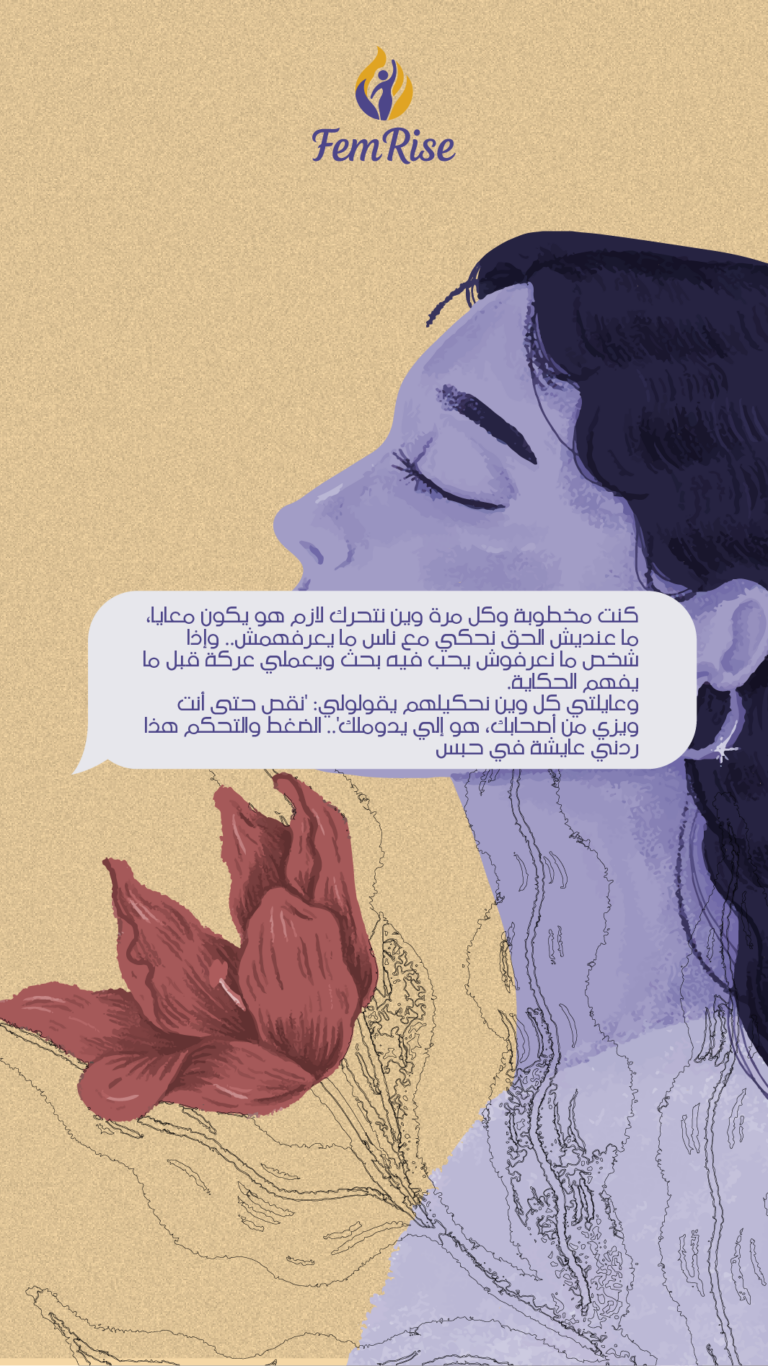
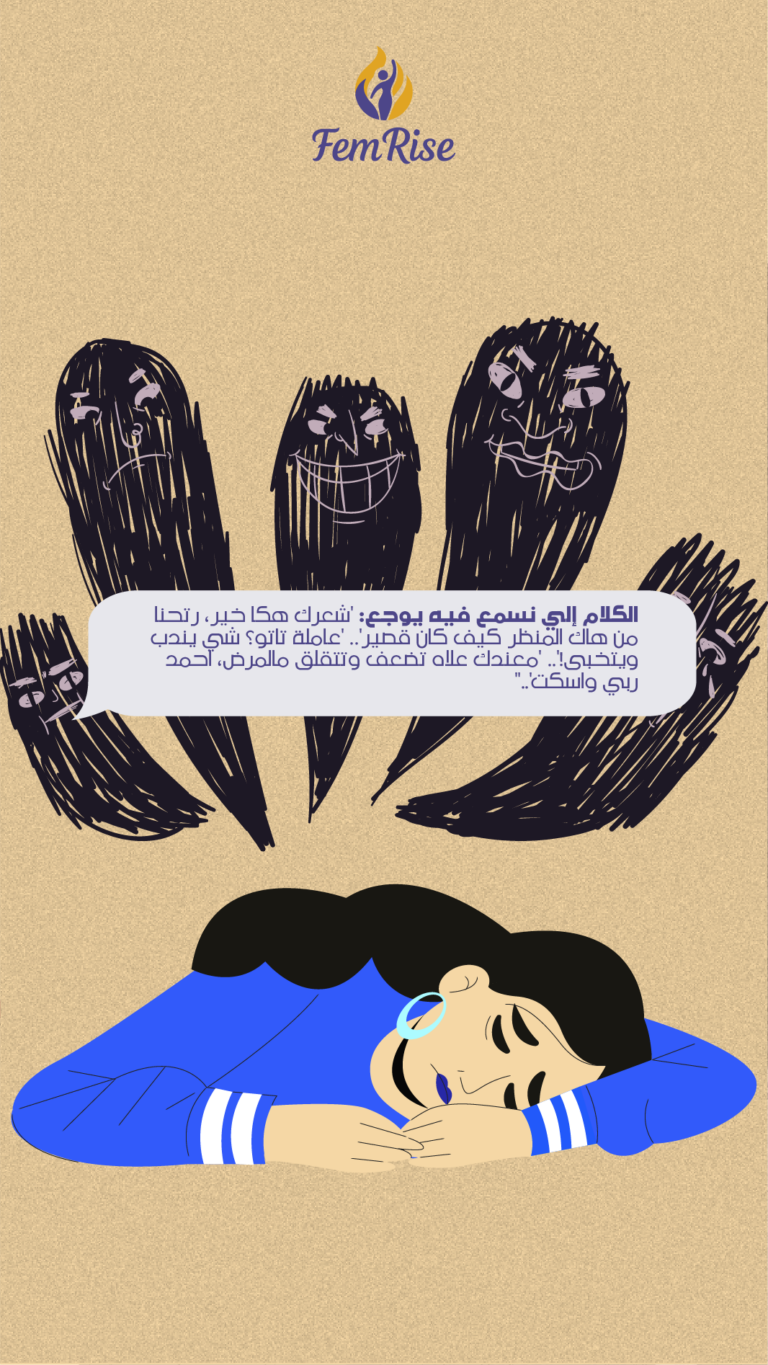
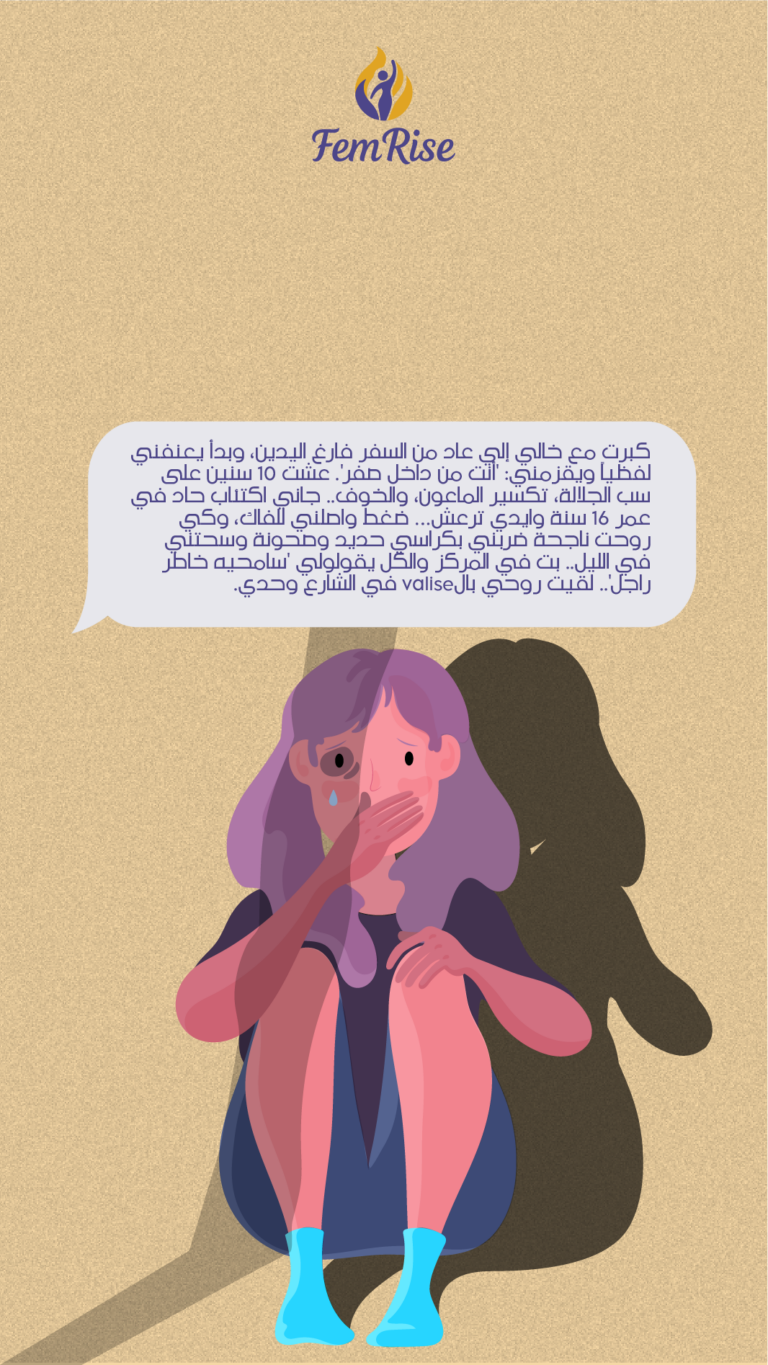
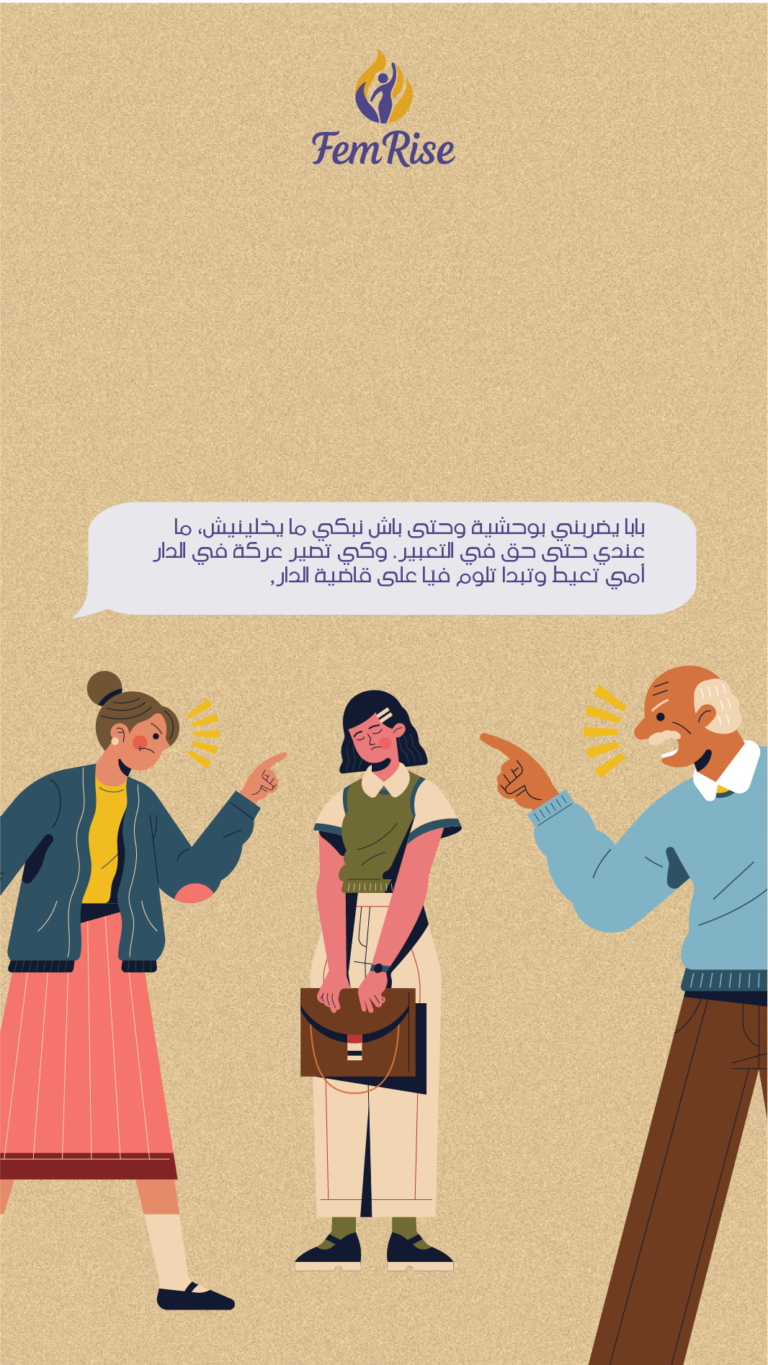
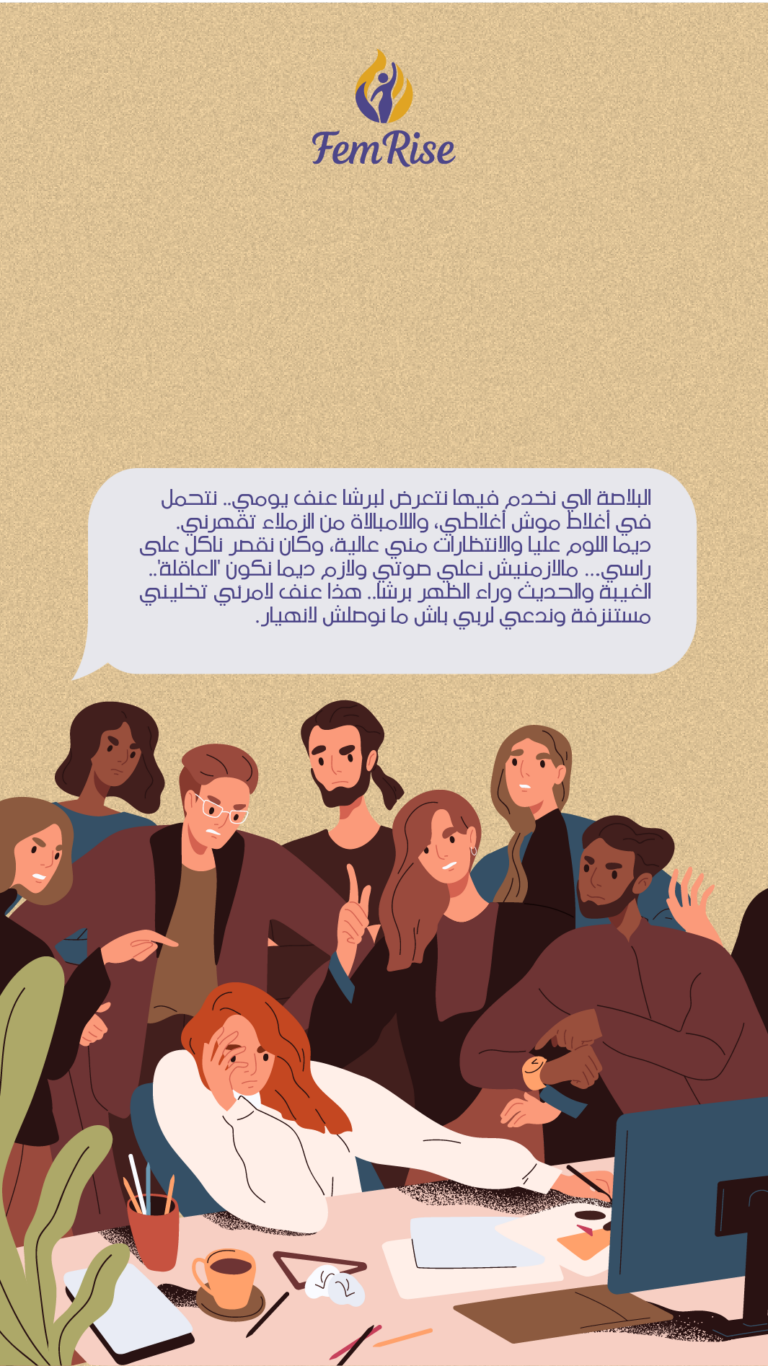
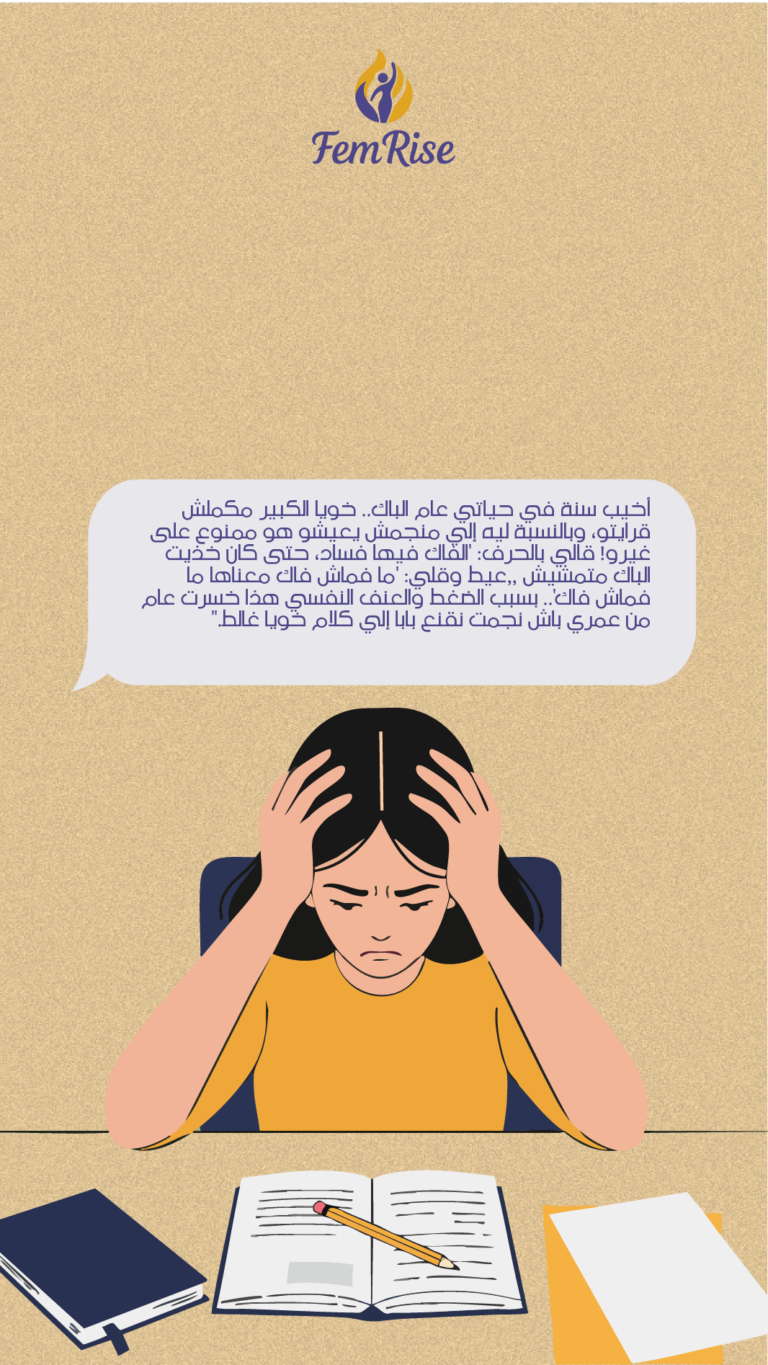
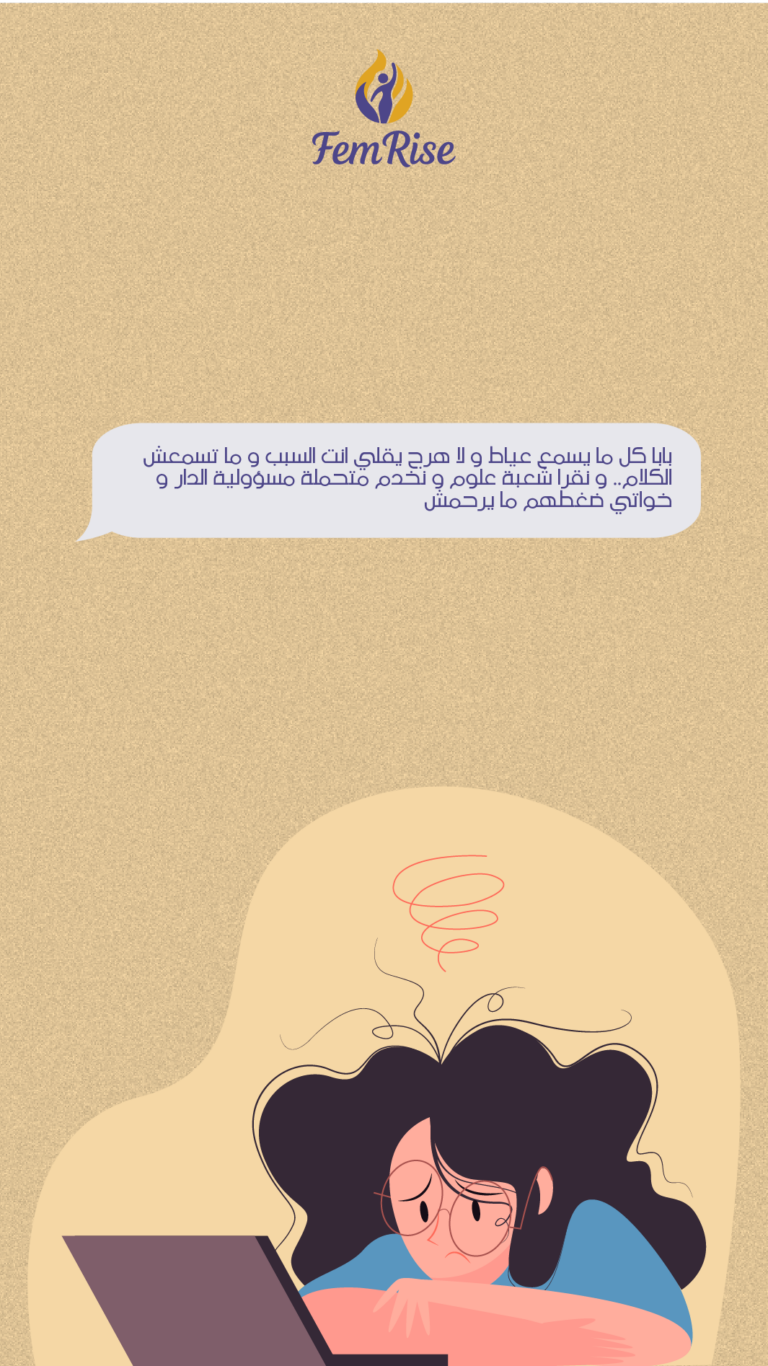
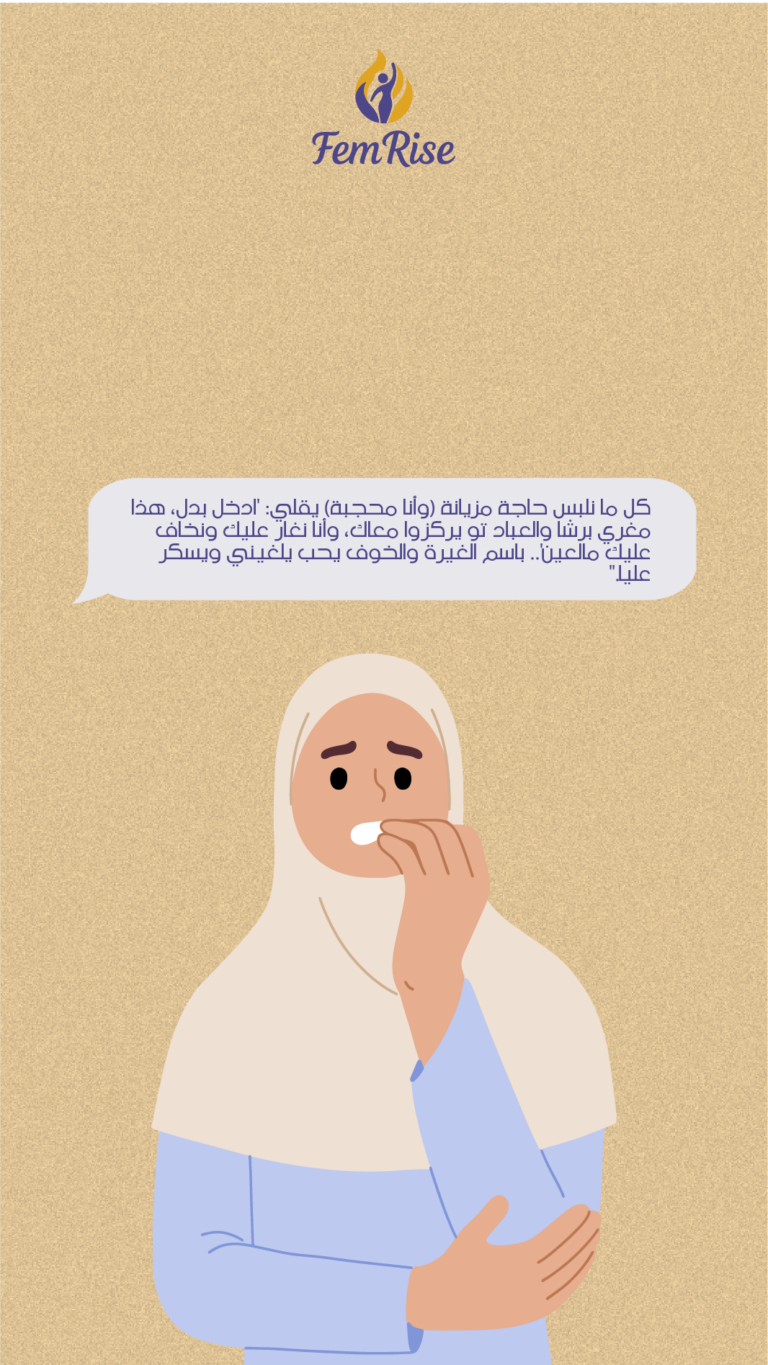
Description: The “Mouch Bel3ani” (“Not intentionally” / “Didn’t mean it…”) campaign addressed the romanticisation and normalisation of controlling and coercive behaviours within relationships. Behaviours such as jealousy, monitoring someone’s phone or movements, restricting their freedom, making decisions on their behalf, or presenting control as a form of love, care, protection, or concern can often be overlooked or accepted as normal. The campaign aimed to help young women and men recognise the difference between healthy relationship behaviours and forms of control and coercion, while encouraging reflection on behaviours that can constitute violence even when they are not immediately recognised as such. Through videos, carousels, statistics, real-life stories, questions, and practical information, the campaign created opportunities for audiences to reflect on these behaviours, share experiences, and engage in conversations about healthy relationships, respect, freedom, and consent. A key element of the campaign was creating a safe and anonymous space where women could share experiences of control and coercion and access information about available support services.
Results:
The campaign generated 1,618 engagements across six pieces of content published on Instagram and Facebook, with an average of 270 engagements per post, and reached approximately 874,000 people (217,505 on Instagram and 656,532 on Facebook). The campaign targeted young women and men aged 18–35 and used a mix of four videos and two carousels to raise awareness and encourage audiences to reflect on control, coercion, and violence within relationships. The highest-performing content was a video that explored the distinction between love and control, and between respect and restriction, suggesting that clear and relatable content about healthy and controlling relationship behaviours was particularly effective in encouraging audience interaction.
The campaign generated a wide range of responses, including positive engagement, questions, personal experiences, and some backlash from both men and women. Negative reactions often questioned whether behaviours such as jealousy, monitoring a partner’s phone or movements, or making decisions on someone’s behalf should be considered control or coercion. These reactions highlighted how behaviours that restrict freedom can still be understood as expressions of love, protection, authority, or concern within intimate relationships, families, and workplaces. The campaign also created a safe space for women to share experiences they had not previously spoken about. Following the campaign strategy, an anonymous form was introduced after the fourth video, resulting in a number of personal stories, some of which were shared anonymously through Instagram Stories. Notably, some submissions came from women already connected to the organisation, including staff, members, and friends, demonstrating that experiences of control and coercion can remain hidden even within close community networks. The stories and feedback also informed the final video, which featured a sociologist discussing voluntary servitude and how situations that restrict freedom can gradually become accepted or normalised. The final content then provided practical information about where women could seek help, including the green number and available support services. Overall, the campaign demonstrated that creating safe spaces for discussion can help women recognise experiences of control and coercion, speak about experiences they had previously kept private, and identify pathways to support.