Time period: 12 May – 9 June 2026
Platforms: Instagram, Facebook, TikTok
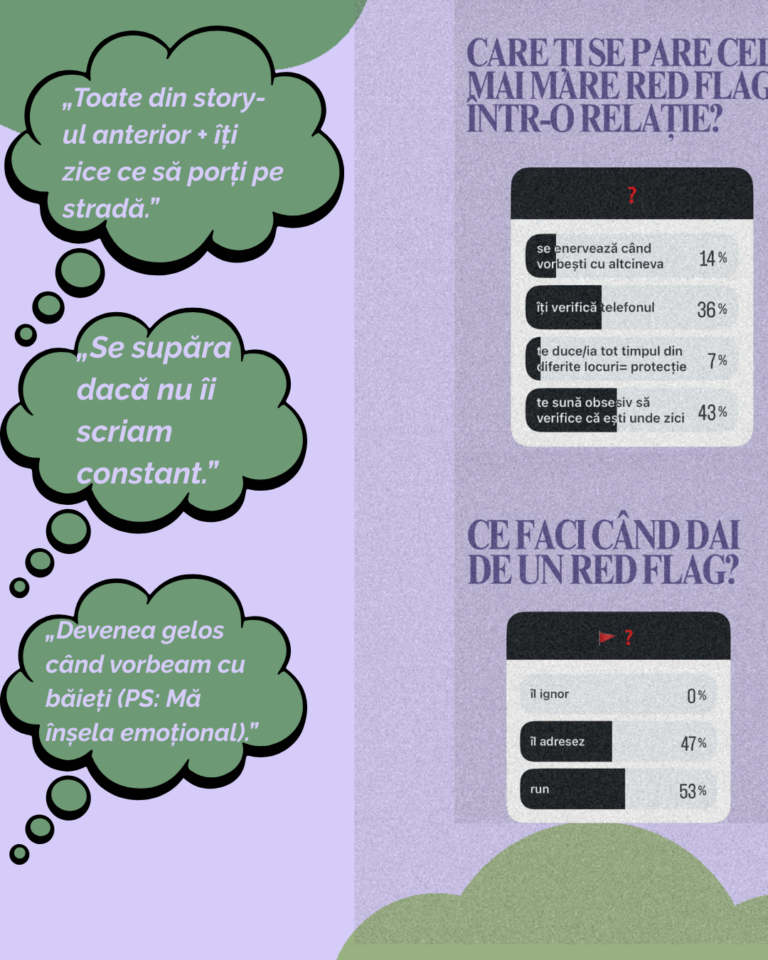
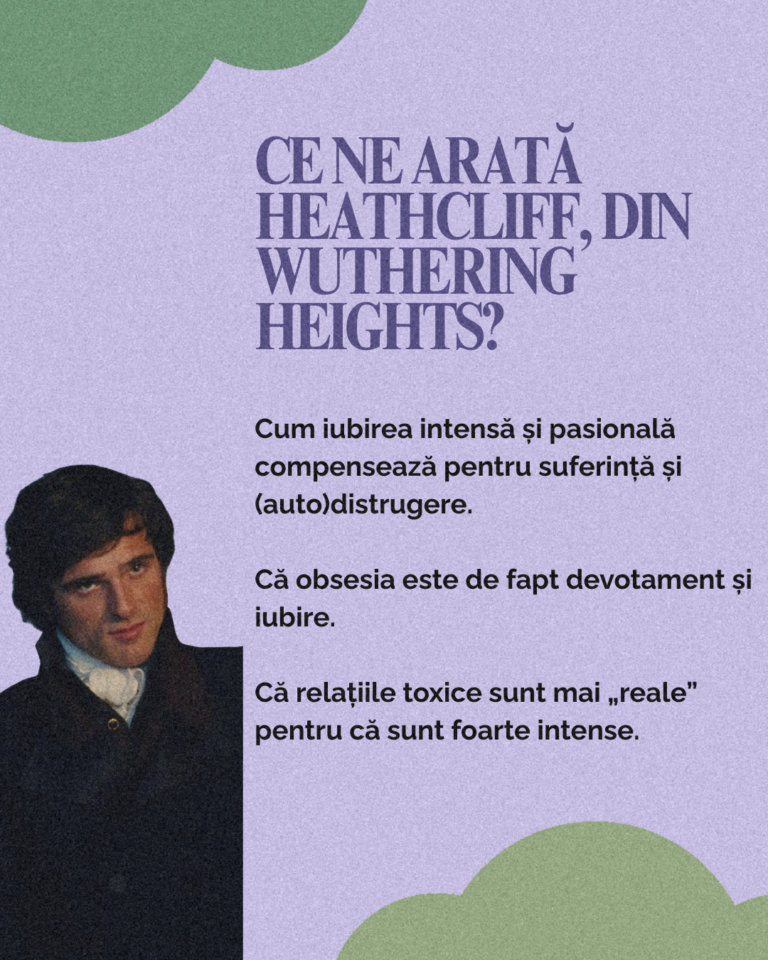
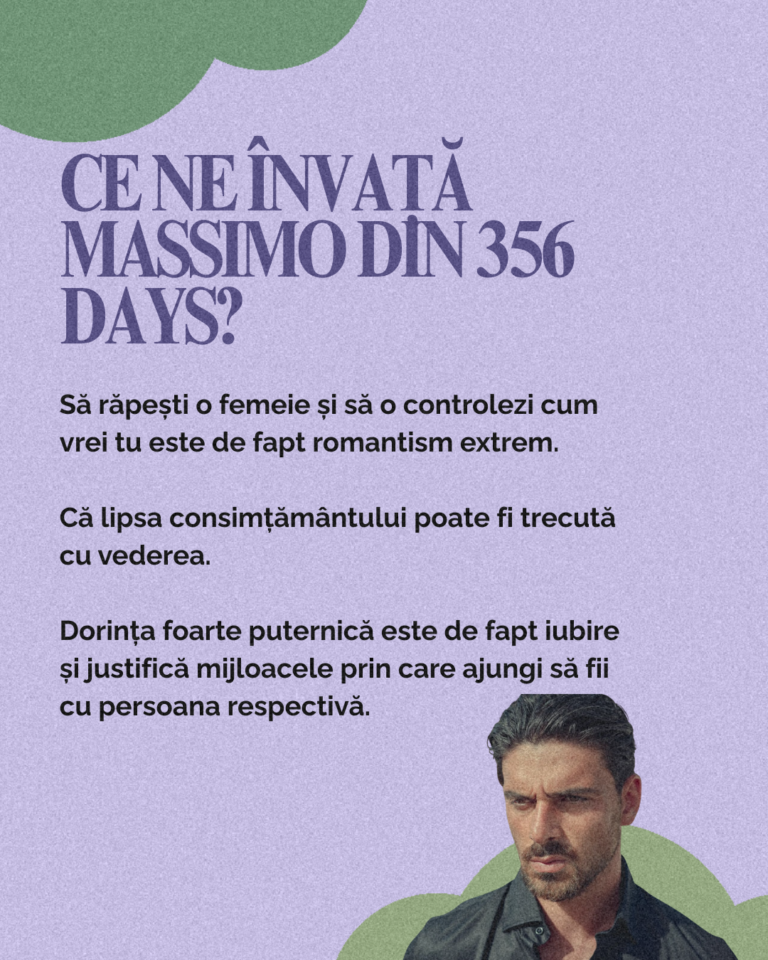
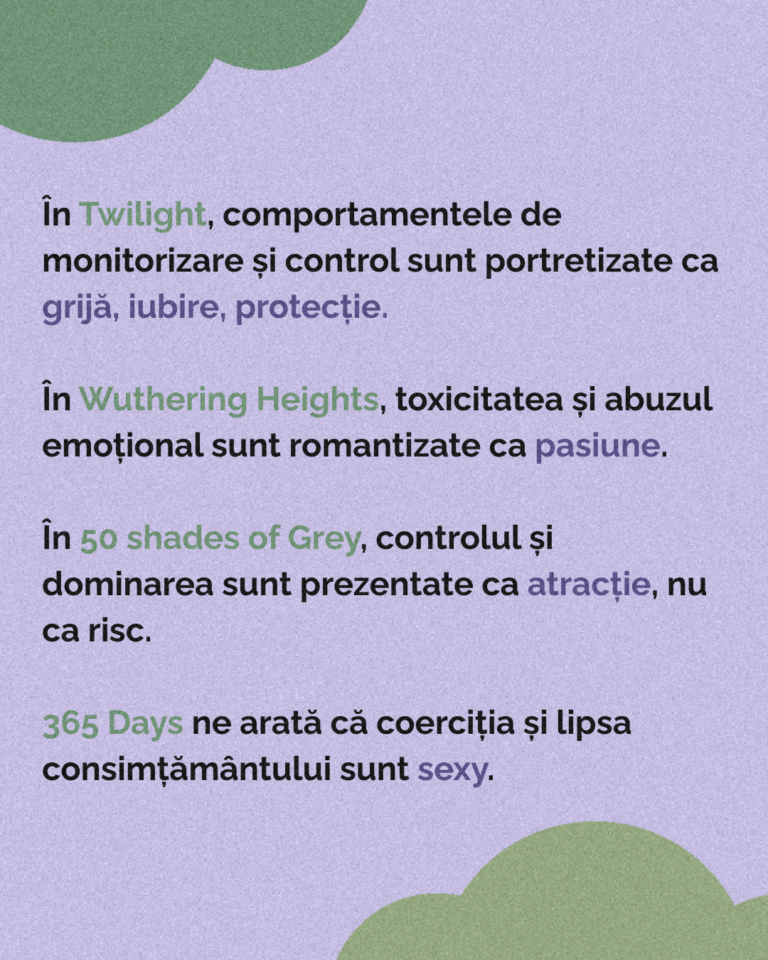
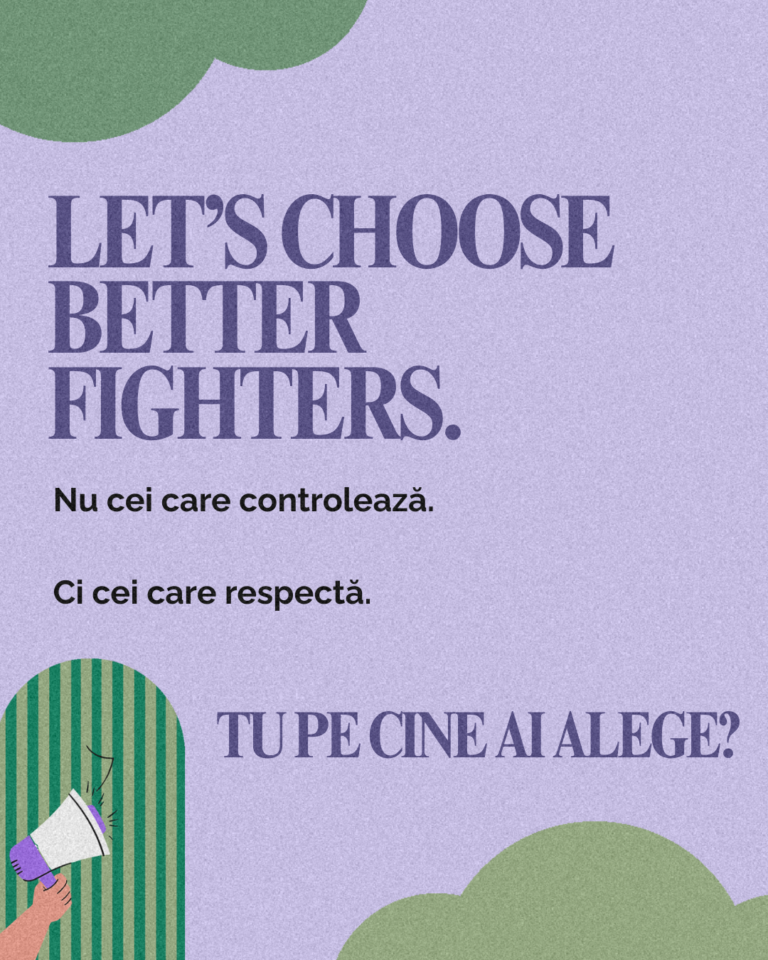
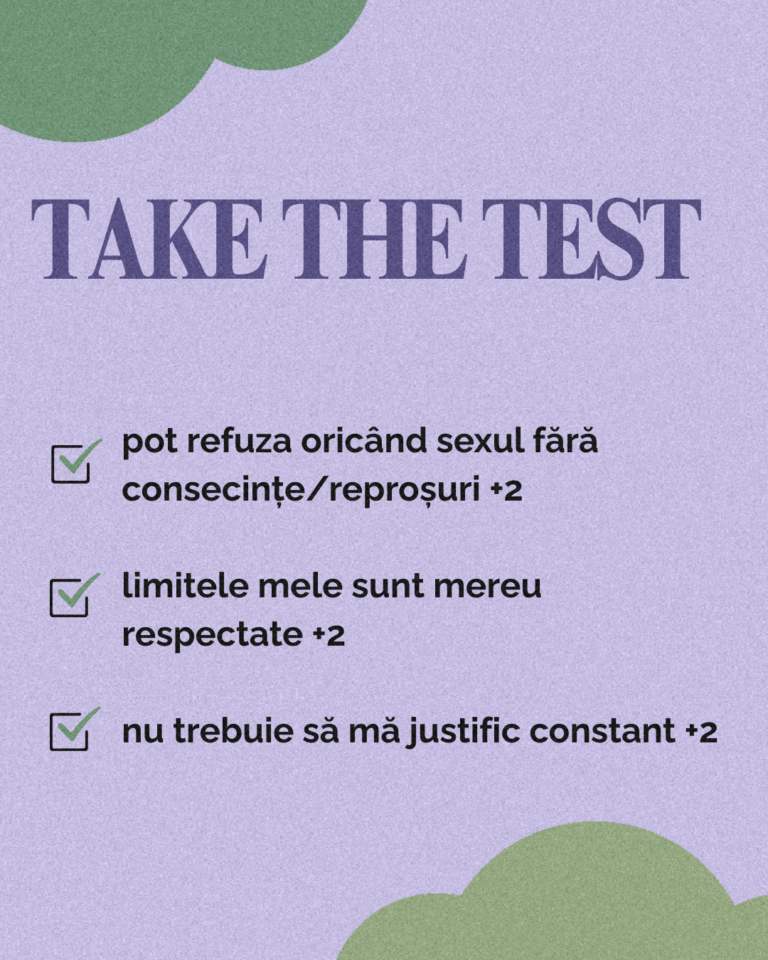
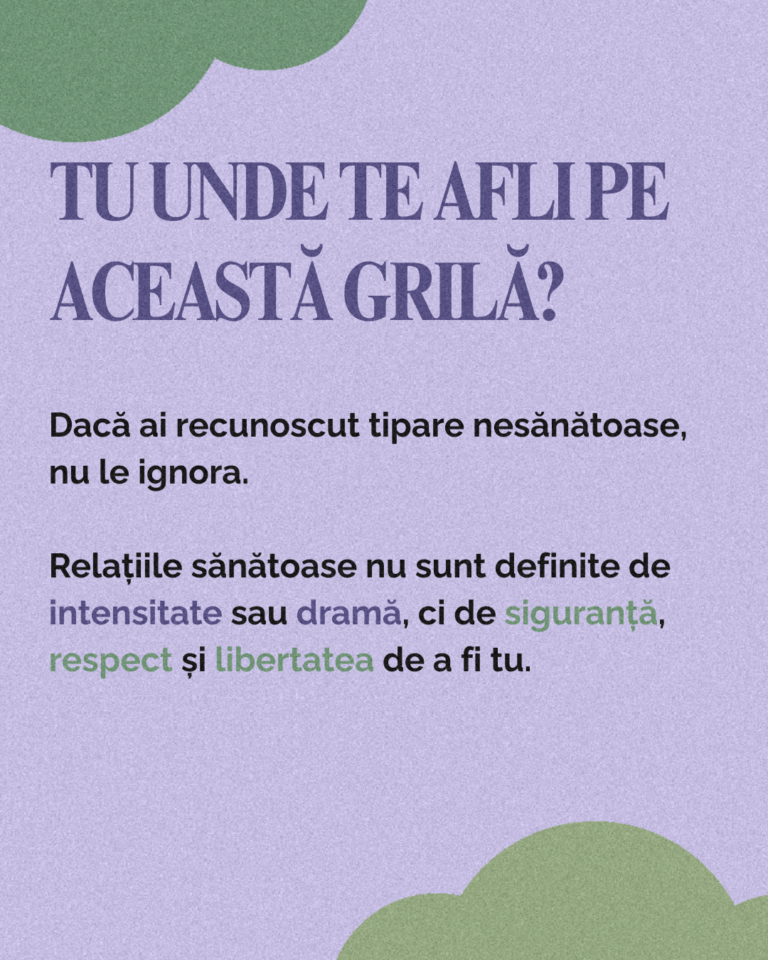
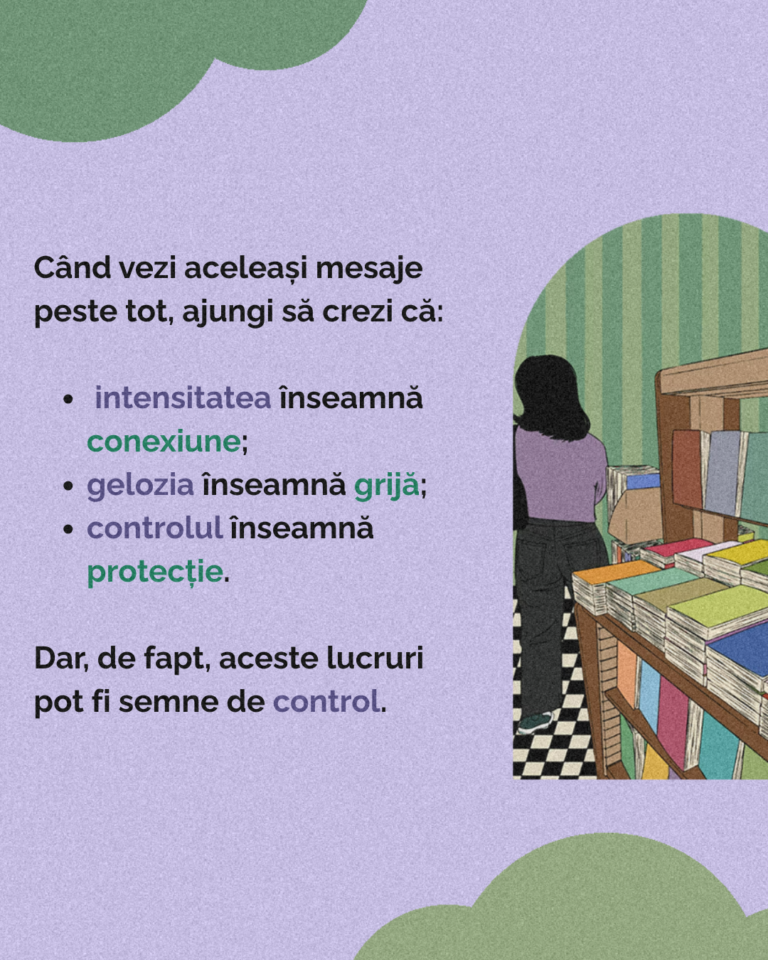
Description: The campaign addressed the normalisation and romanticisation of controlling and coercive behaviours in intimate relationships among young people in Romania. Behaviours such as excessive jealousy, monitoring a partner’s activities, emotional manipulation, persistence after rejection, and limiting someone’s autonomy are often portrayed as expressions of love, passion, or protection rather than warning signs of unhealthy relationships. These narratives are reinforced through popular culture, including films, music, social media trends, influencers, and everyday conversations, making it difficult for young people to recognise early signs of emotional abuse. The campaign aimed to challenge these narratives by encouraging young audiences to critically reflect on the messages they consume and the relationship norms they have internalised. Through engaging and relatable digital content, the campaign encouraged audiences to question the idea that control equals love and to recognise the difference between healthy affection and coercive behaviour. Its core messages were: “Control is not love,” “Jealousy is not proof of care,” and “Healthy relationships are built on trust, respect, consent, and freedom.”
Results:
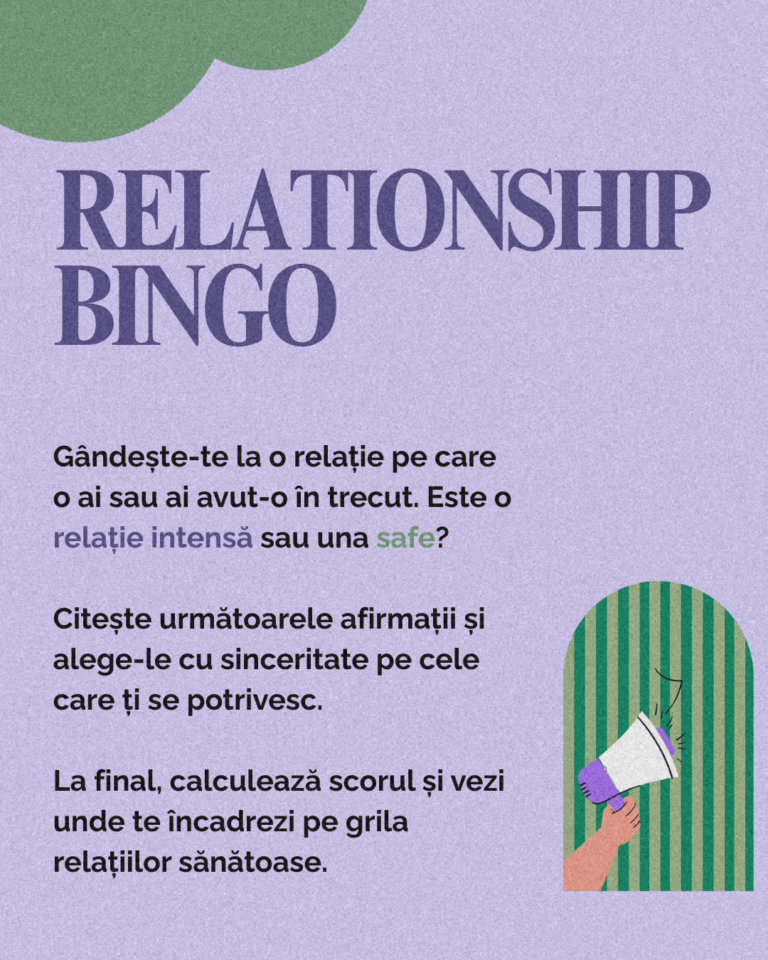
The campaign produced and published five pieces of content (four carousels and one reel) across Instagram, Facebook, and TikTok between 12 May and 9 June 2026. The content achieved a total of 37,540 views and generated 515 interactions, including likes, comments, reposts, saves, reactions, clicks, and shares. The strongest-performing post reached 26,697 views across two platforms, while the campaign’s interactive formats encouraged audiences not only to view the content but also to save, share, and discuss it.
The campaign increased awareness among young people that behaviours such as jealousy, monitoring, and emotional manipulation can constitute coercion rather than expressions of love. It supported greater recognition of early warning signs of unhealthy relationships and encouraged audiences to critically reflect on how media, music, films, and social media influence perceptions of romance. The campaign also encouraged young people to question harmful relationship norms and reinforced the understanding that healthy relationships are based on trust, autonomy, mutual respect, consent, and emotional safety.